
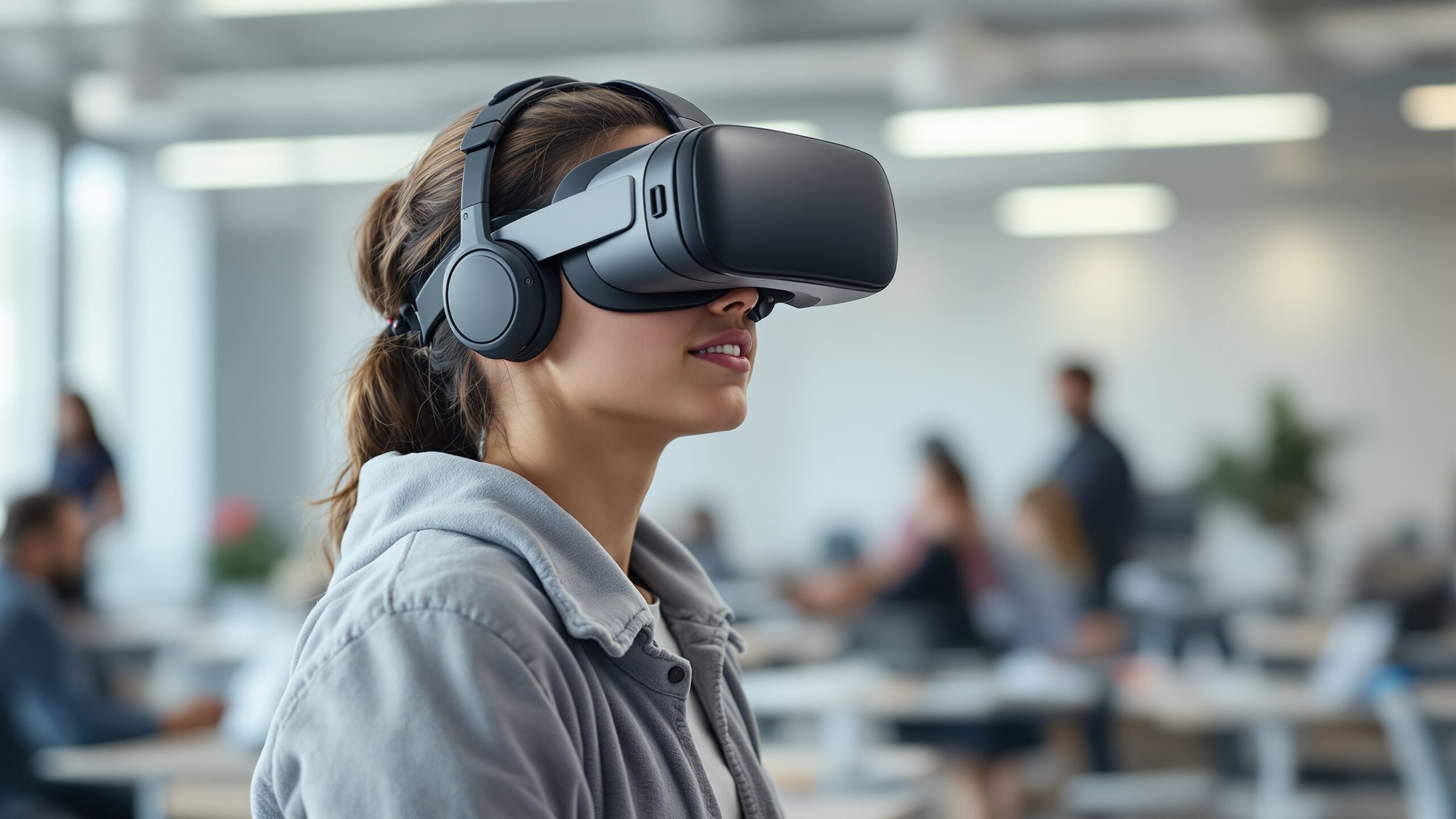
Virtual & Augmented Reality turns learning into an experience you can step inside. Instead of reading about a skill, you can practice it—safely, repeatedly, and with instant feedback—whether that means walking through a virtual lab, rehearsing a high-stakes procedure, or exploring a 3D model from every angle. On eLearning Street, this category dives into how VR and AR are reshaping training, education, and skill-building by making practice feel real, memorable, and hands-on. You’ll explore the difference between fully immersive VR environments and AR overlays that enhance the real world with guidance, simulation, and interactive visuals. We’ll cover where these tools shine most—technical training, safety drills, medical and engineering practice, language immersion, and soft-skills coaching—plus the design choices that make experiences comfortable and effective. You’ll also learn the essentials behind headsets, tracking, controllers, spatial audio, and content creation workflows that bring immersive lessons to life. Whether you’re a learner, educator, or builder, VR and AR unlock a powerful new way to train: learn by doing, not just watching. Step in—and start exploring learning that feels alive.
A: VR replaces your surroundings; AR adds digital layers to the real world.
A: It’s excellent for practice-based learning, especially for hands-on skills.
A: Mismatch between what you see and what your body feels—comfort settings help.
A: Not always—some headsets run standalone; others use PCs for higher fidelity.
A: Yes—mobile AR is common and great for guided overlays.
A: Clear goals, interaction, feedback, and repeatable practice scenarios.
A: Often 10–30 minutes works well, especially for comfort and focus.
A: Follow device guidelines, supervise use, and keep sessions short.
A: Healthcare, manufacturing, safety, aviation, and technical education.
A: Try a simple interactive lesson or a virtual lab and build from there.
How VR Is Transforming the Future of Learning Forever
Virtual reality is redefining how we learn by turning knowledge into experience. From immersive classrooms to hands-on simulations, VR is unlocking a new era of engagement, retention, and real-world skill building. Explore how this technology is reshaping education forever.

Virtual Reality in Education: The Complete Beginner’s Guide for 2026
Virtual reality is changing education from passive study into immersive discovery. This beginner’s guide explores how VR works, why it matters, and how schools, students, and teachers can use it to create unforgettable learning experiences in 2026 and beyond.