
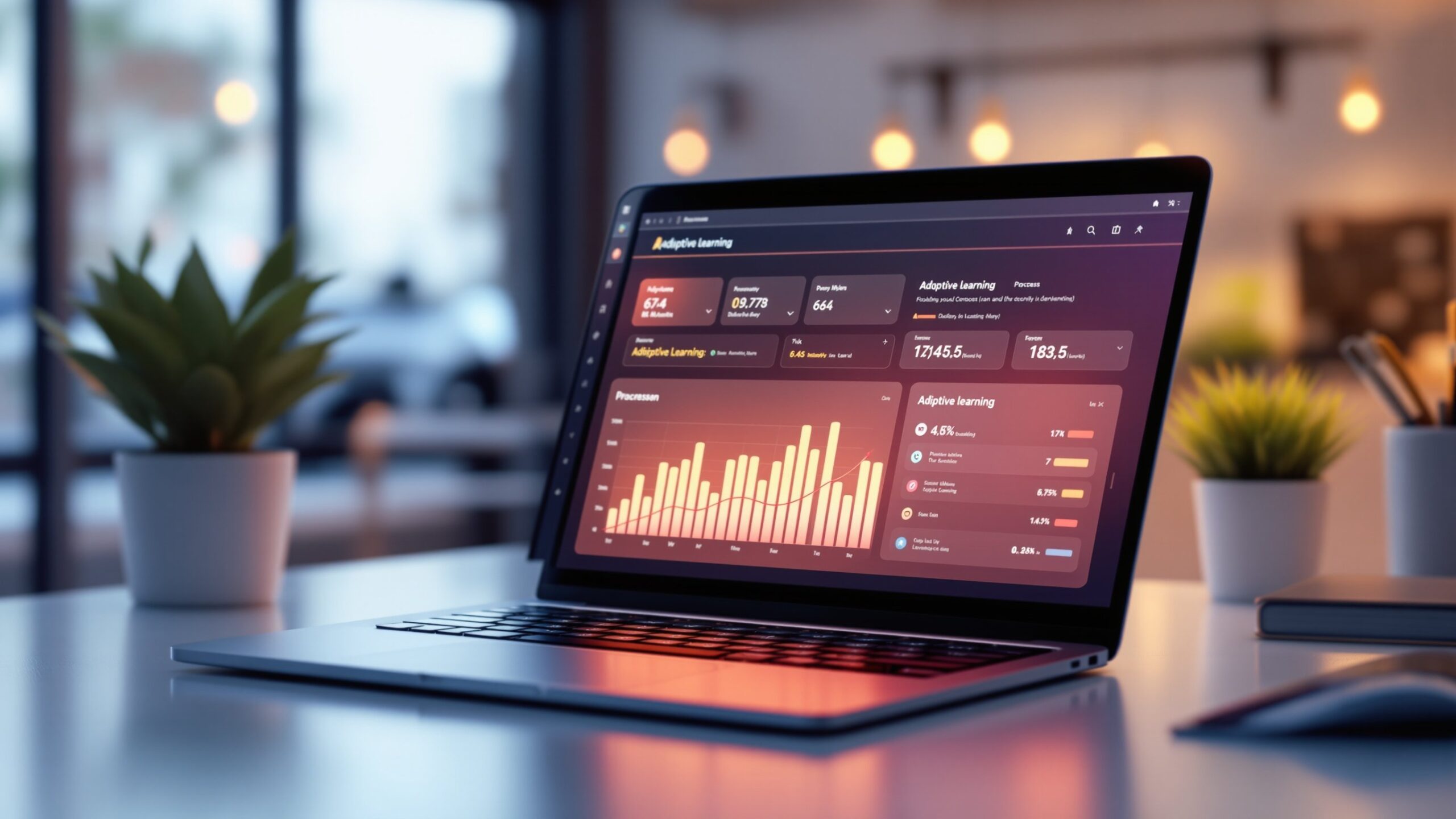
On eLearning Street’s Adaptive Learning hub, every lesson is built to move at the speed of your brain. Instead of marching every learner through the same rigid path, adaptive systems watch how you respond, where you hesitate, and what you’ve already mastered—then quietly reshape the journey in real time. Struggling with a concept? The platform slows down, adds scaffolding, and offers fresh explanations. Flying through material? It fast-tracks you to richer challenges so you’re never stuck in neutral. Here, algorithms and learning science team up to create genuinely personal progress paths, whether you’re designing corporate training, supporting K–12 students, or building higher-ed courses. Explore how data, feedback loops, and smart content work together to boost engagement, reduce frustration, and help learners actually remember what they’ve learned. This Adaptive Learning sub-category gathers guides, case studies, tool breakdowns, and strategy playbooks to help you move beyond one-size-fits-all courses and start designing learning experiences that adapt to every student. Whether you’re just getting started or scaling a full ecosystem, this is your launchpad for truly responsive digital learning.
A: It’s a way of delivering lessons that adjust to how you’re doing, so you get the right support at the right time.
A: You’ll share core goals, but the path, pace, and practice you see can be different from your classmates’.
A: No. The technology handles personalization so instructors can focus on coaching, feedback, and deeper support.
A: You’re more likely to see enrichment, stretch challenges, or new topics rather than repetitive busywork.
A: They can spot patterns—like fast random clicks—and may respond with diagnostics or extra checks for understanding.
A: The system will slow down, add extra practice or explanations, and highlight where you might want help.
A: Instructors may allow flexibility, but staying close to the recommendations usually supports stronger progress.
A: Responsible programs follow privacy policies and security practices to protect your learning information.
A: Yes. It can move you more quickly into deeper, more complex material once you show mastery.
A: Progress dashboards, mastery indicators, and feedback messages show how your skills grow over time.